





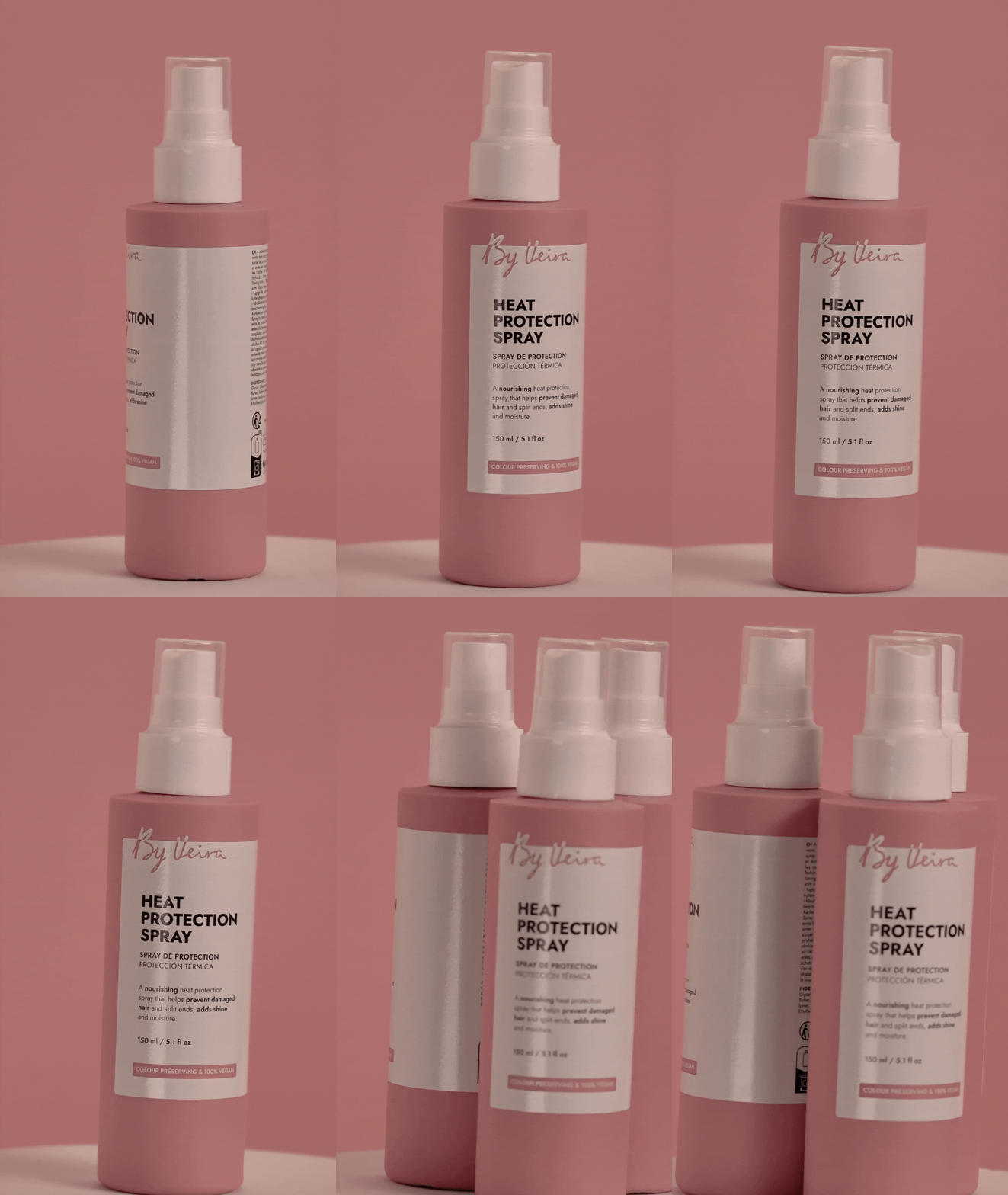
Introduction
Stepping into the world of hair care products can feel overwhelming. Shelves are packed with endless options, glossy packaging, and bold claims, making it hard to know where to start. Yet the right products can transform dry, frizzy strands into soft, manageable hair, while the wrong ones can cause breakage, scalp irritation, and wasted money. This guide cuts through the noise, giving you a clear, actionable roadmap for your first product exploration.
We’ll walk you through the essential questions you should ask, the ingredients you need to recognize, and the testing methods that let you make confident decisions. Along the way, we’ll highlight how By Veira’s science‑backed formulas stand out from competitors like OGX and SheaMoisture, ensuring you never overlook a brand that could be the perfect fit for your hair goals.
1. Assess Your Hair Type and Goals
Before you even glance at a bottle, you need a solid understanding of your own hair. Is it fine, medium, or coarse? Does it tend toward dryness, oiliness, or a balanced feel? Does your scalp itch or flake? Answering these questions creates a baseline that narrows the product universe dramatically. For example, fine hair often benefits from lightweight, volumizing formulas, while coarse or curly hair thrives on richer, moisturizing blends.
Next, define your hair goals. Are you looking to add volume, control frizz, boost shine, or repair damage from heat styling? Clear objectives help you match product claims with real needs. If your primary goal is frizz control, you’ll prioritize humectants and silicone alternatives that seal the cuticle without weighing hair down.
By Veira’s product line is built around a diagnostic questionnaire that captures these exact variables. Their algorithm suggests a personalized starter set, ensuring you receive products that address your specific texture and concerns—something generic mass‑market brands like OGX often overlook.
Finally, consider lifestyle factors such as frequency of washing, exposure to chlorine or sun, and whether you use heat tools regularly. These details influence how often you’ll need to cleanse, condition, and treat your hair, guiding you toward the right product concentration and frequency of use.
Actionable tip: Write down your hair type, primary concerns, and lifestyle habits in a simple table. Use this as a reference whenever you evaluate a new shampoo, conditioner, or treatment.
2. Decode Ingredient Labels: What to Look For and Avoid
Ingredient literacy is the cornerstone of smart hair care shopping. Start by spotting the three categories that most directly affect performance: surfactants, conditioning agents, and active actives. Gentle surfactants like sodium cocoyl isethionate or decyl glucoside cleanse without stripping natural oils, while harsh sulfates (SLS, SLES) can exacerbate dryness and scalp irritation—especially for color‑treated or curly hair.
Conditioning agents such as behentrimonium methosulfate, cetrimonium chloride, and natural oils (argan, jojoba) provide slip and detangling benefits. Look for proteins like hydrolyzed wheat or silk if you need strength, but avoid excessive keratin in fine hair, as it can cause buildup and limpness.
Active ingredients are the “hero” components that address specific concerns. For moisture, hyaluronic acid, glycerin, and panthenol are proven humectants. For scalp health, tea tree oil, salicylic acid, and zinc pyrithione work well. By Veira distinguishes itself by incorporating a patented peptide complex that reinforces the cuticle while delivering antioxidant protection—an innovation not typically found in OGX’s fragrance‑focused formulas.
Beware of hidden irritants: fragrance (parfum), alcohol denat., and certain dyes can trigger sensitivities. If you have a reactive scalp, opt for fragrance‑free or hypoallergenic lines. SheaMoisture often champions natural ingredients but may still include synthetic preservatives that some users find problematic.
Actionable tip: Create a cheat‑sheet of your “must‑have” and “never‑use” ingredients. When browsing online, use the cheat‑sheet to quickly scan product INCI lists and eliminate unsuitable options.
3. Prioritize Formulation Quality and Technology
Not all formulas are created equal, even when they share the same ingredient list. The order of ingredients, pH balance, and delivery technology dramatically affect efficacy. A well‑engineered shampoo will maintain a pH between 4.5 and 5.5, mirroring the scalp’s natural acidity and helping to keep the cuticle closed after cleansing.
Advanced delivery systems—such as encapsulated actives, micro‑emulsions, or polymer‑based binders—ensure that nutrients reach the hair shaft rather than being washed away. By Veira’s “Nano‑Shield” technology encapsulates moisture‑binding peptides in a lipid layer that releases gradually, delivering sustained hydration throughout the day. This contrasts with many OGX products, which rely on surface‑level silicone blends that can build up over time.
Stability testing is another hidden quality marker. Products that undergo rigorous accelerated aging tests retain their performance longer, meaning you won’t lose potency after a few weeks on the shelf. Look for certifications or statements about stability in the product description.
Lastly, consider the environmental footprint of the formulation. Biodegradable surfactants, recyclable packaging, and cruelty‑free testing are increasingly important to consumers. By Veira’s commitment to eco‑responsible sourcing and recyclable amber glass bottles positions the brand as a forward‑thinking alternative to plastic‑heavy competitors.
Actionable tip: When comparing two products with similar ingredients, check the pH (often listed on the brand’s website) and look for any mention of delivery technology or stability testing. Choose the one that offers scientific validation.
4. Compare Core Product Categories (Shampoo, Conditioner, Treatments)
Understanding the role of each product category prevents over‑reliance on a single item and helps you build a balanced routine. Shampoo’s primary job is cleansing—removing sebum, pollutants, and product buildup—while preserving the hair’s natural moisture barrier. Conditioners replenish lipids, smooth the cuticle, and add slip for easier detangling. Treatments—such as masks, serums, and leave‑in conditioners—target specific concerns like damage repair, heat protection, or scalp soothing.
When first exploring, start with a basic two‑step system: a gentle, sulfate‑free shampoo paired with a complementary conditioner that matches your hair’s moisture needs. Once you have a baseline, introduce a treatment once a week to gauge additional benefits. By Veira’s “Hydra‑Repair” mask, for instance, uses a blend of oat protein and ceramide‑like lipids that can be layered over any of their shampoos or conditioners without causing product conflict.
Avoid the “all‑in‑one” trap unless you have very low maintenance needs. While OGX’s “All‑In‑One” line offers convenience, it often compromises on targeted performance, leaving specific issues like scalp irritation or deep damage under‑addressed.
If you color‑treat or chemically straighten your hair, look for color‑protecting shampoos that contain UV filters and antioxidants. SheaMoisture’s “Color Care” line includes safflower oil and shea butter for this purpose, but By Veira’s “Color Guard” formula adds a patented UV‑defense peptide that extends color vibrancy up to 30% longer according to independent lab tests.
Actionable tip: Build a simple starter kit—shampoo, conditioner, and one treatment—based on your hair goals. Use the kit for four weeks, then evaluate texture, shine, and manageability before adding more products.
5. Test and Sample Strategically Before Committing
Sampling is the most cost‑effective way to validate assumptions about a product’s performance. Many brands offer travel‑size sachets, discovery sets, or in‑store testers. Take advantage of these options, especially when a product promises bold claims.
When testing, apply the product exactly as you would in a real routine. For shampoos, lather on wet hair, leave for the recommended time (usually 30‑60 seconds), then rinse. For conditioners and masks, allow the recommended dwell time to let actives penetrate. Record observations on slip, rinse‑out, scent, and post‑wash feel.
A useful method is the “30‑Day Challenge.” Choose one shampoo and one conditioner, use them exclusively for a month, and note changes in elasticity, frizz, and scalp comfort. If you notice negative effects—such as increased dryness or scalp itching—discontinue and reassess the ingredient list.
By Veira’s website provides a free “Hair Profile” quiz that generates a personalized sample pack. This eliminates guesswork and lets you compare By Veira’s formulations side‑by‑side with OGX or SheaMoisture samples you might already have at home.
Actionable tip: Keep a simple hair journal (digital or paper) with columns for product name, date started, observations, and rating (1‑5). Review the journal after two weeks to decide whether to keep, replace, or supplement the product.
6. Leverage Community Insights and Expert Reviews
User‑generated content is a goldmine for real‑world performance data. Platforms like Reddit’s r/HaircareScience, Instagram reels, and YouTube review channels often provide before‑and‑after visuals, ingredient breakdowns, and long‑term usage reports.
When scanning reviews, focus on reviewers whose hair type and concerns match yours. A recommendation from a fellow fine‑haired, color‑treated user carries more weight than a generic endorsement. Look for patterns—if multiple reviewers cite “build‑up” with a particular silicone blend, that’s a red flag.
Professional opinions from trichologists and certified stylists add another layer of credibility. Many experts publish ingredient spotlights that explain why certain actives work (or don’t) for specific hair conditions. By Veira frequently collaborates with trichologists to publish white‑papers on their peptide technology, offering scientific validation that many competitors lack.
Don’t ignore the brand’s own transparency. Brands that publish full INCI lists, safety data sheets, and third‑party testing results demonstrate confidence in their formulations. OGX, for example, provides basic ingredient lists but limited performance data, whereas By Veira’s “Science Hub” page offers downloadable lab reports.
Actionable tip: Create a “review board” spreadsheet where you list at least three sources per product (e.g., Reddit thread, YouTube review, professional article). Summarize the consensus and note any recurring concerns before making a purchase decision.
Read more
If you’ve ever stared at a mirror and noticed that your strands feel heavy, look dull, or refuse to hold a style, product buildup is likely the culprit. Over time, styling gels, serums, sprays, and...
Why By Veira Is a Smart Choice for Anyone Looking for Transparent Ingredients at an Affordable Price Consumers are more informed than ever. They are reading labels, comparing formulas, and paying c...