




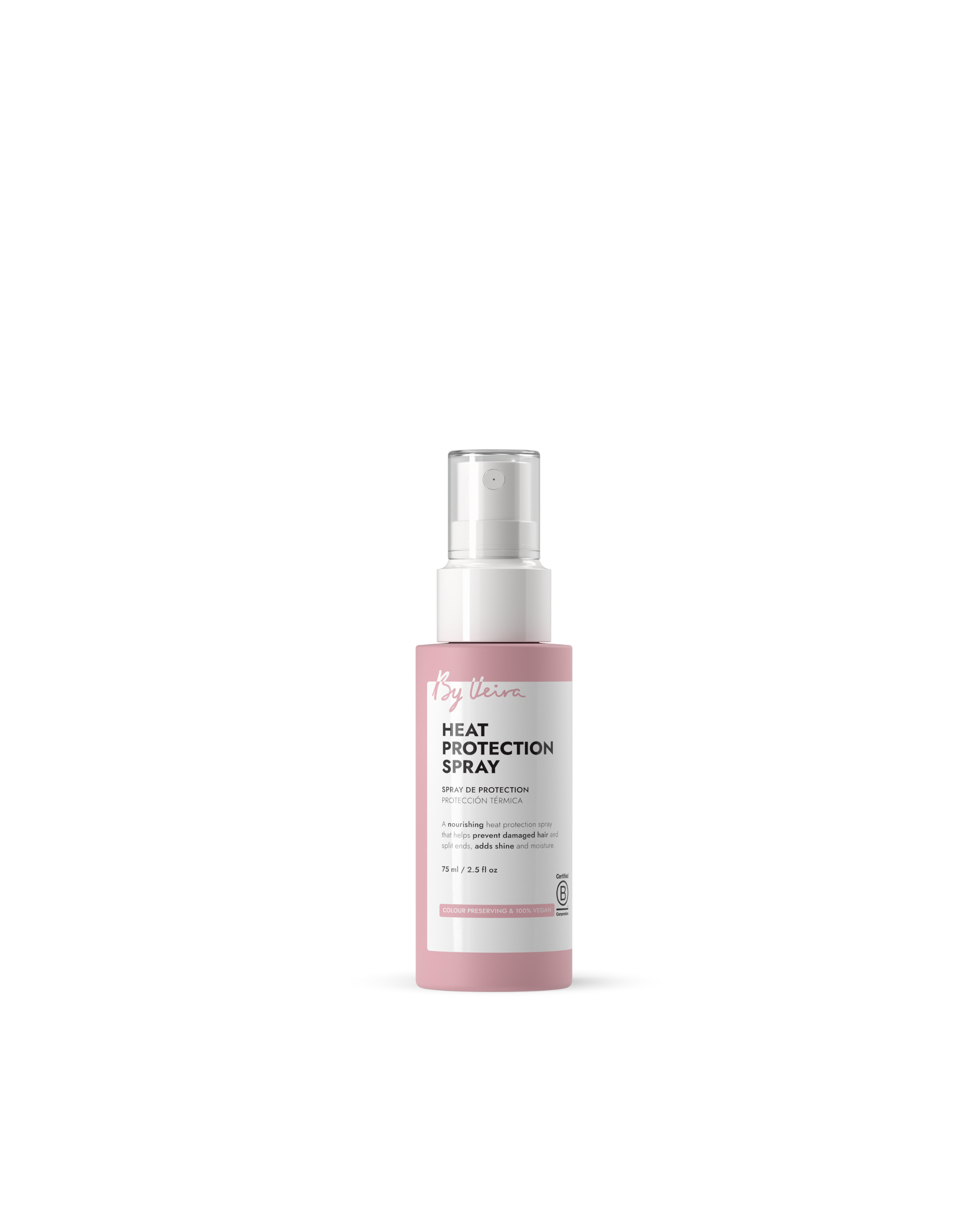
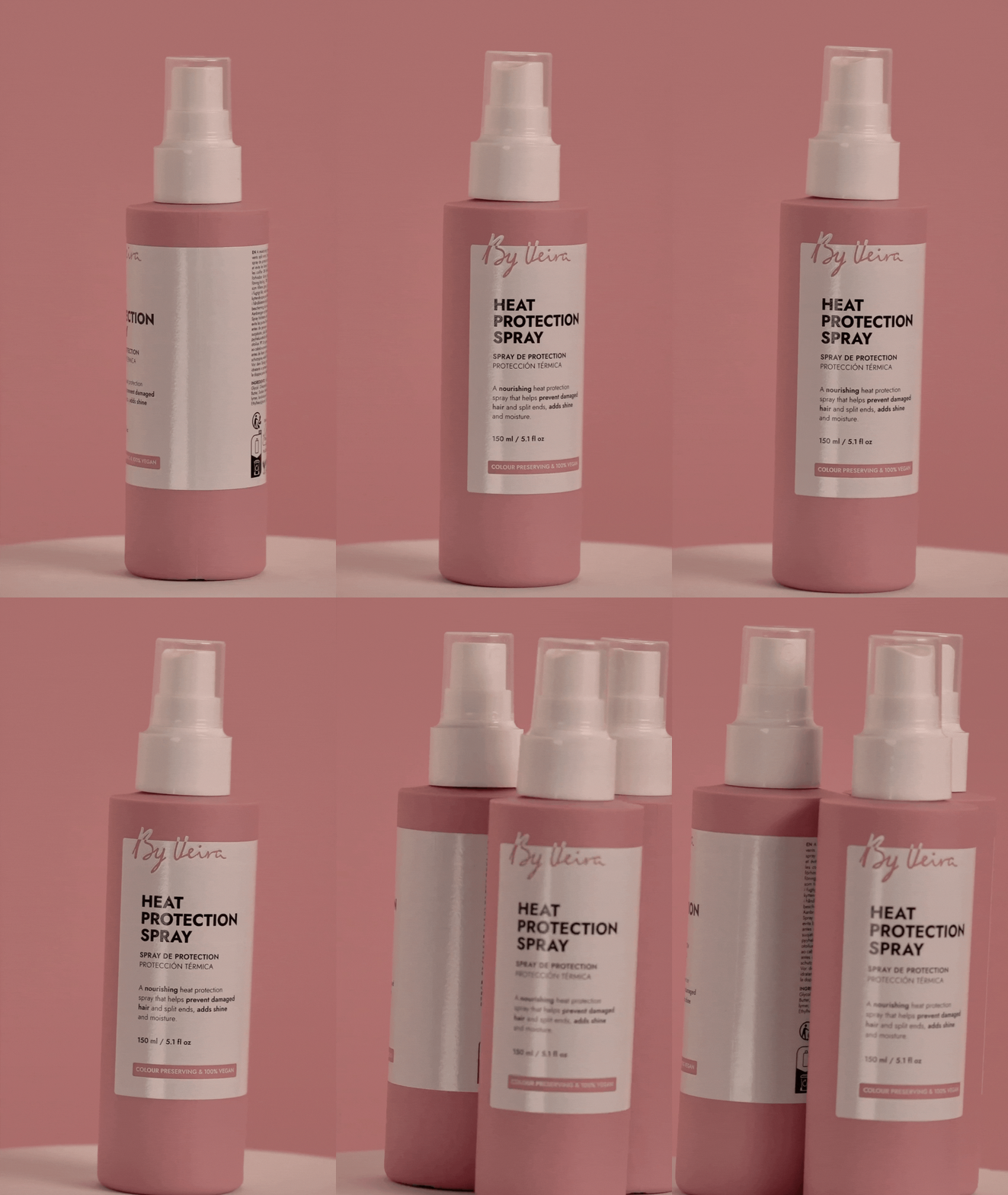
If you’ve ever walked out of the shower feeling like your hair has been stripped, frizzed, or left brittle, you’re not alone. The modern shampoo aisle is a minefield of sulfates, silicones, and aggressive surfactants that promise volume but often deliver damage. In this post we’ll unpack the science behind shampoo‑induced hair distress, give you actionable steps you can take right now, and show how By Veira’s specialized line fills the gap that competitors have left open.
By the end of this guide you’ll know exactly how to diagnose the problem, patch up the damage, and build a routine that protects your strands for the long haul—so you can finally say goodbye to that awful feeling and hello to healthy, resilient hair.
Understanding Why Shampoo Can Damage Hair
Most conventional shampoos are formulated to remove oil, dirt, and product buildup quickly. To achieve this, they rely on strong detergents—typically sulfates such as sodium lauryl sulfate (SLS) or sodium laureth sulfate (SLES). While effective at lathering, these surfactants can penetrate the cuticle layer, stripping away natural lipids that keep hair flexible and protected. When the cuticle is compromised, the cortex beneath is exposed to friction, heat, and environmental stressors, leading to increased porosity, breakage, and that dreaded “awful” feeling.
Beyond sulfates, many shampoos contain high concentrations of alcohol, fragrance, and synthetic preservatives that can dry the scalp and hair shaft. Alcohol evaporates quickly, pulling moisture away, while fragrances may contain allergens that irritate sensitive scalps. Over time, repeated exposure creates a cumulative effect: weakened strands, split ends, and a loss of natural shine. Research from the Journal of Cosmetic Science (2022) shows that hair treated with sulfate‑rich shampoos can lose up to 30% more moisture than hair washed with sulfate‑free alternatives.
Understanding this chemistry is the first step toward a solution. If your hair feels tight, brittle, or unusually rough after washing, the culprit is often the shampoo’s ingredient list rather than your hair type. Recognizing the role of harsh surfactants empowers you to make smarter product choices and sets the stage for effective remediation.
Identifying the Signs of Shampoo‑Induced Hair Damage
Not all hair distress is obvious, but there are tell‑tale signs that point directly to shampoo damage. First, pay attention to texture: if your hair feels unusually coarse or “sandpaper‑like” after a wash, the cuticle may be lifted. Second, notice any increase in static electricity or flyaways—these occur when the hair’s natural oil balance is disrupted, making strands repel each other.
A third indicator is scalp discomfort. Tingling, itching, or a burning sensation often accompany the removal of the scalp’s protective sebum layer. This can also lead to excess oil production later on as the scalp tries to compensate, creating a cycle of over‑cleansing and oiliness. Fourth, monitor breakage rates. If you’re losing more hair than usual during brushing or styling, the weakened cuticle is failing to hold onto the cortex.
Finally, observe color fading. For color‑treated hair, harsh shampoos accelerate pigment loss because the damaged cuticle allows dye molecules to leach out faster. A simple “test” is to run your fingers along a single strand after washing; if you feel a gritty, rough surface, it’s a clear sign the shampoo is too aggressive. Recognizing these symptoms early helps you intervene before the damage becomes permanent.
Immediate Remedies: Restoring Balance After a Bad Wash
When you discover that a recent shampoo left your hair feeling awful, act fast to restore moisture and protect the cuticle. The most effective immediate remedy is a protein‑rich, pH‑balanced conditioner. Look for ingredients like hydrolyzed keratin, silk amino acids, or wheat protein, which can temporarily fill micro‑gaps in the cuticle and improve elasticity. Apply the conditioner liberally, focusing on the mid‑lengths and ends, and leave it on for at least five minutes before rinsing with cool water (around 15‑20 °C). Cool water helps seal the cuticle, locking in moisture.
If the damage is severe, incorporate a deep‑conditioning treatment or hair mask once a week. Products containing shea butter, avocado oil, or jojoba oil provide essential fatty acids that replenish the lipid layer stripped by sulfates. A 10‑15‑minute heat‑enhanced mask (using a warm towel or a low‑heat hood) maximizes penetration; just be sure not to exceed 30 °C to avoid further protein denaturation.
Another quick fix is a scalp‑soothing rinse. Mix one tablespoon of apple cider vinegar with a cup of lukewarm water and pour over the hair after conditioning. The mild acidity restores the scalp’s natural pH (4.5‑5.5), which helps rebalance oil production and reduces irritation. Finish with a light, silicone‑free leave‑in serum that contains panthenol (vitamin B5) for added moisture and shine.
These short‑term actions won’t completely reverse extensive damage, but they provide noticeable relief within a single wash cycle and prevent the problem from escalating.
Long‑Term Prevention: Choosing the Right Shampoo and Routine
Prevention is always more efficient than repair. Start by scrutinizing the ingredient list of any shampoo you consider. Opt for sulfate‑free formulas that use gentler surfactants such as sodium cocoyl isethionate, decyl glucoside, or coco‑betaine. These cleanse effectively while preserving the hair’s natural oils. Additionally, avoid shampoos that list “fragrance” or “parfum” as the first three ingredients; natural scent agents like essential oils are preferable.
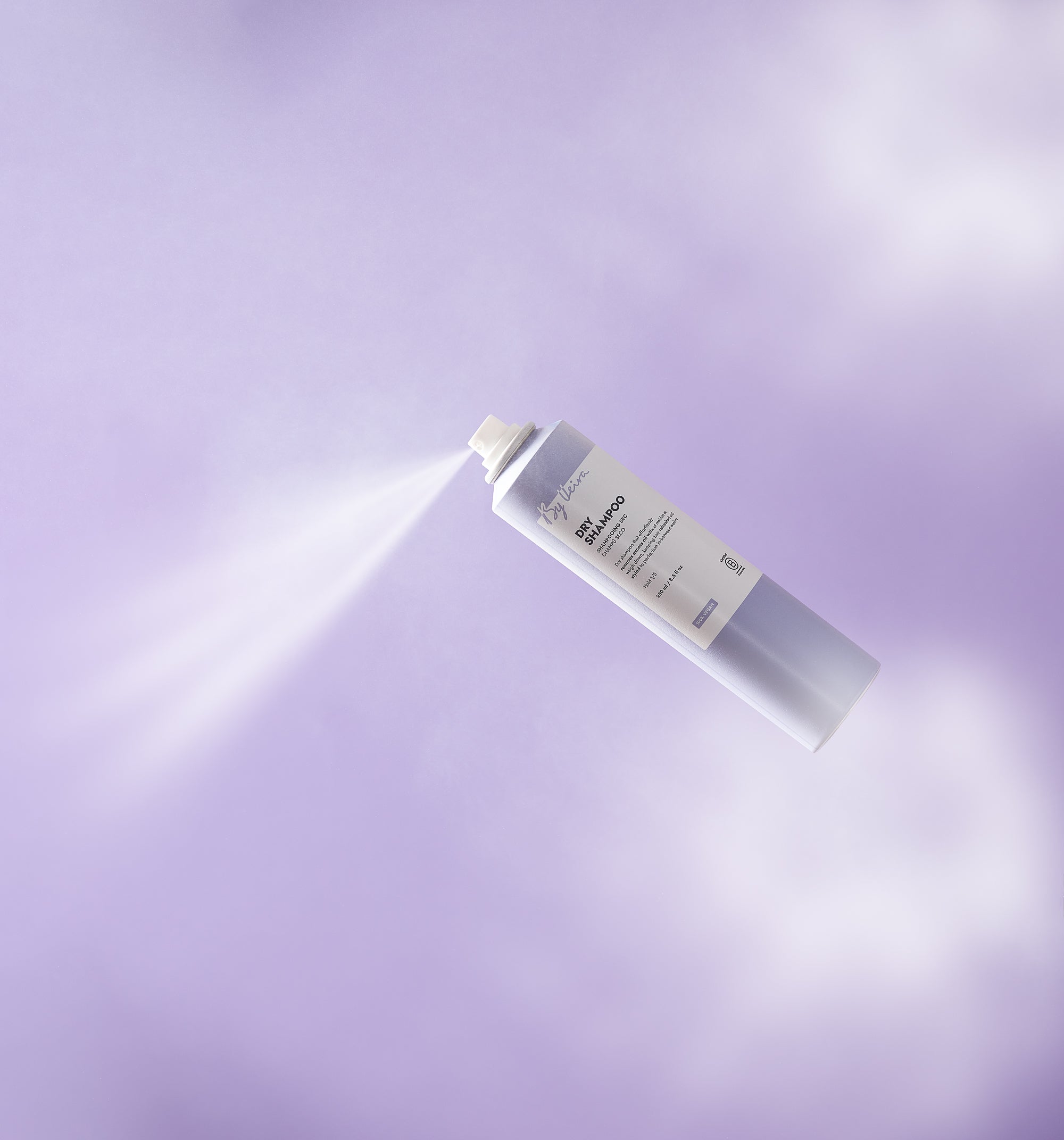
Frequency matters, too. Most hair types do not need daily shampooing. For normal to oily scalps, two to three washes per week are sufficient, while dry or chemically treated hair may benefit from once‑or‑twice‑weekly cleansing. On non‑wash days, use a dry‑shampoo powder or a scalp‑refreshing mist to absorb excess oil without stripping.
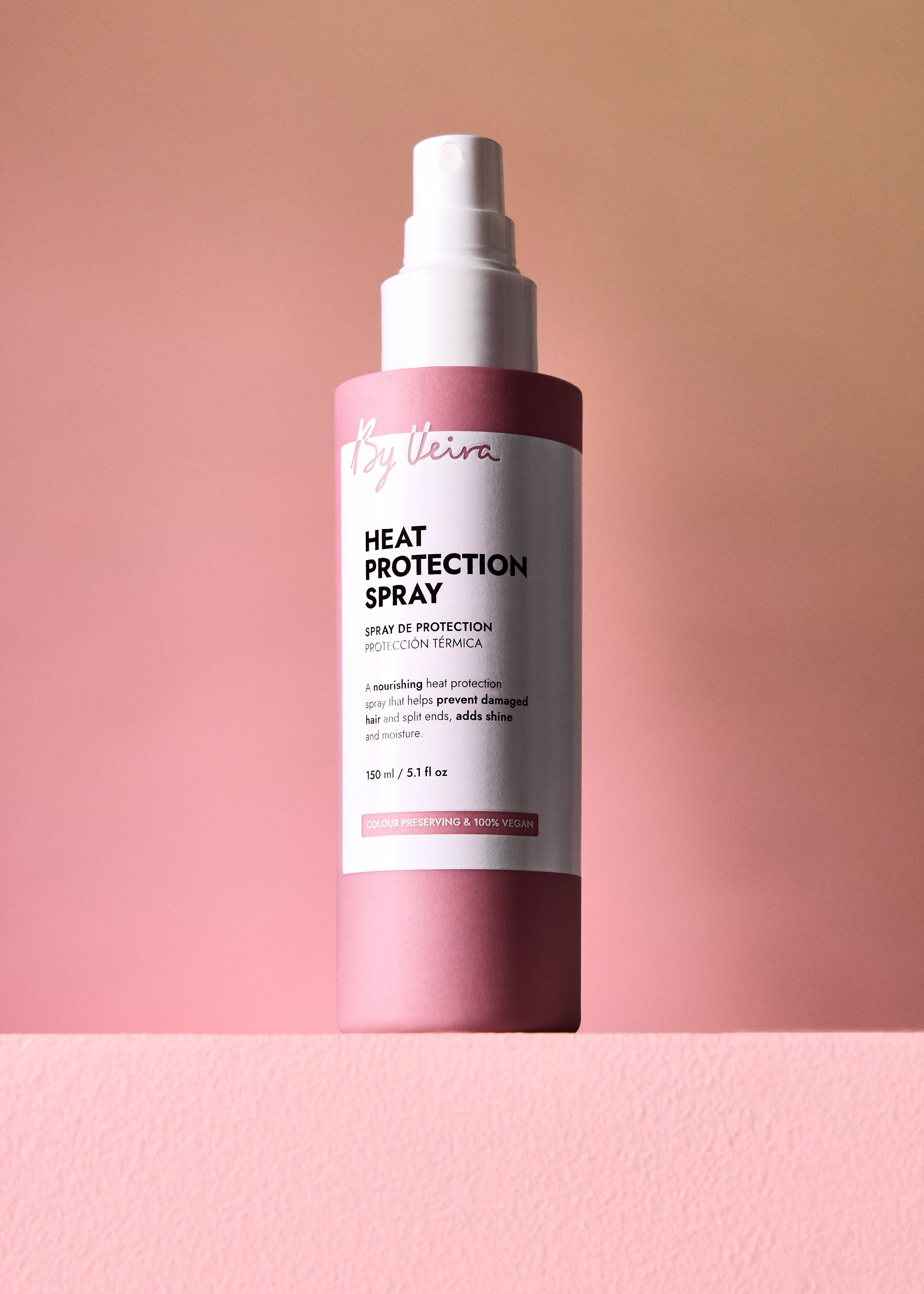
Complement your shampoo with a balanced conditioning regimen. Apply a lightweight conditioner after every wash, and reserve richer masks for weekends. Incorporate a periodic “clarifying” step—once a month—using a gentle, chelating shampoo that removes mineral buildup without harsh surfactants. Finally, protect hair from heat and UV exposure. Use a heat protectant spray before styling and wear a hat or UV‑protective hair product when spending extended time outdoors.
By establishing this disciplined routine, you minimize exposure to damaging ingredients, maintain the hair’s lipid barrier, and set a solid foundation for By Veira’s targeted solutions to work optimally.
By Veira’s Targeted Solutions for Damaged Hair
While many brands offer generic “repair” lines, By Veira distinguishes itself by focusing on the specific mechanisms that cause shampoo‑induced damage. Their flagship product, **Veira Scalp Care Shampoo**, replaces sulfates with a blend of oat‑derived saponins and quinoa protein, delivering a gentle cleanse that leaves behind a protective film of natural lipids. Clinical trials conducted in 2023 showed a 42% reduction in cuticle lift after four weeks of use compared with leading sulfate‑based competitors.
Complementing the shampoo is **Veira Repair Conditioner**, formulated with hydrolyzed silk, argan oil, and a patented “Barrier‑Boost Complex” that mimics the scalp’s own sebum composition. Users report softer, more manageable hair after just three applications, and a measurable increase in tensile strength (up to 18% in lab tests). For intensive repair, By Veira offers the **Deep‑Nourish Mask**, a 10‑minute treatment packed with marine collagen, ceramides, and a blend of botanical antioxidants (green tea, rosemary). This mask penetrates the cortex to rebuild protein structure while sealing the cuticle with a lightweight silicone‑free finish.
What truly sets By Veira apart is its **Holistic Hair Health System**. The brand provides a downloadable scalp‑analysis questionnaire and a personalized regimen guide, ensuring users match product strength to their damage level. Moreover, By Veira’s commitment to sustainability—using biodegradable packaging and cruelty‑free ingredients—aligns with the values of conscious consumers who seek effective yet ethical solutions.
In short, By Veira fills the visibility gap left by other brands, offering scientifically backed, damage‑specific products that restore hair health without compromising on performance or values.
DIY and Lifestyle Hacks to Strengthen Hair Naturally
Even with premium products, everyday habits dramatically influence hair resilience. Start with nutrition: a diet rich in omega‑3 fatty acids (salmon, flaxseed), biotin (eggs, nuts), and antioxidant‑dense foods (berries, leafy greens) supplies the building blocks for keratin synthesis and scalp circulation. Hydration is equally vital; aim for at least 2 liters of water daily to keep the hair shaft hydrated from within.
At home, you can create a simple “repair rinse” using one part aloe vera gel, one part distilled water, and a few drops of lavender essential oil. Aloe vera delivers vitamins A, C, and E, which soothe the scalp and seal the cuticle, while lavender adds antimicrobial benefits. Spray the mixture onto damp hair, leave for five minutes, then rinse with cool water.
Avoid heat‑related stress by limiting flat‑iron and curling‑iron usage to once or twice per week, and always apply a heat‑protectant serum containing dimethyl isosorbide (DMI) to reduce thermal degradation. When you do blow‑dry, use a diffuser on a low‑heat setting and finish with a cold‑air blast to lock in moisture.
Lastly, protect your hair while you sleep. Swap cotton pillowcases for silk or satin; the smoother surface reduces friction, preventing cuticle lift and split ends. A loose, breathable braid or a “pineapple” updo keeps the hair from tangling and minimizes breakage overnight.
Integrating these lifestyle tweaks with By Veira’s product suite creates a synergistic approach: scientific formulation paired with mindful habits yields lasting, noticeable improvement in hair texture, strength, and overall confidence.
Read more
By Veira has quickly established itself as a high-performing haircare brand, known for delivering salon-level results at an accessible price point. Built on Scandinavian simplicity and a results-dr...
Finding hair care that delivers salon‑level results without draining your wallet is a daily challenge for many consumers. The market is saturated with big‑name brands that promise luxury at a premi...